Sep 08, 2026
Monster Hunter Stories 3: Twisted Reflection – Sound Team Interview #1
Hello, Tan-Tan here!
Monster Hunter Stories 3: Twisted Reflection, which released on March 13, 2026, is continuing to captivate players!
In particular, there has been a lot of praise for the game's music.
So, we sat down with the sound team to learn a bit more about how exactly they came up with such a great soundtrack!
Legacy and Evolution:
Character Growth through Music!
- Tan-Tan
- Alright, let's hear about the sound concept for Monster Hunter Stories 3: Twisted Reflection from the lead composer Yuko Miyata.
- Miyata
-
My initial impression from seeing the design docs and playing the prototype was how significantly the main characters had changed from previous installments. With more detailed backgrounds and graphics, along with the broadening target audience, I felt a change in the music style was necessary. So, I aimed to create a soundtrack that would complement the evolution of the series.
▼ Left to right: MHST1 → MHST2 → MHST3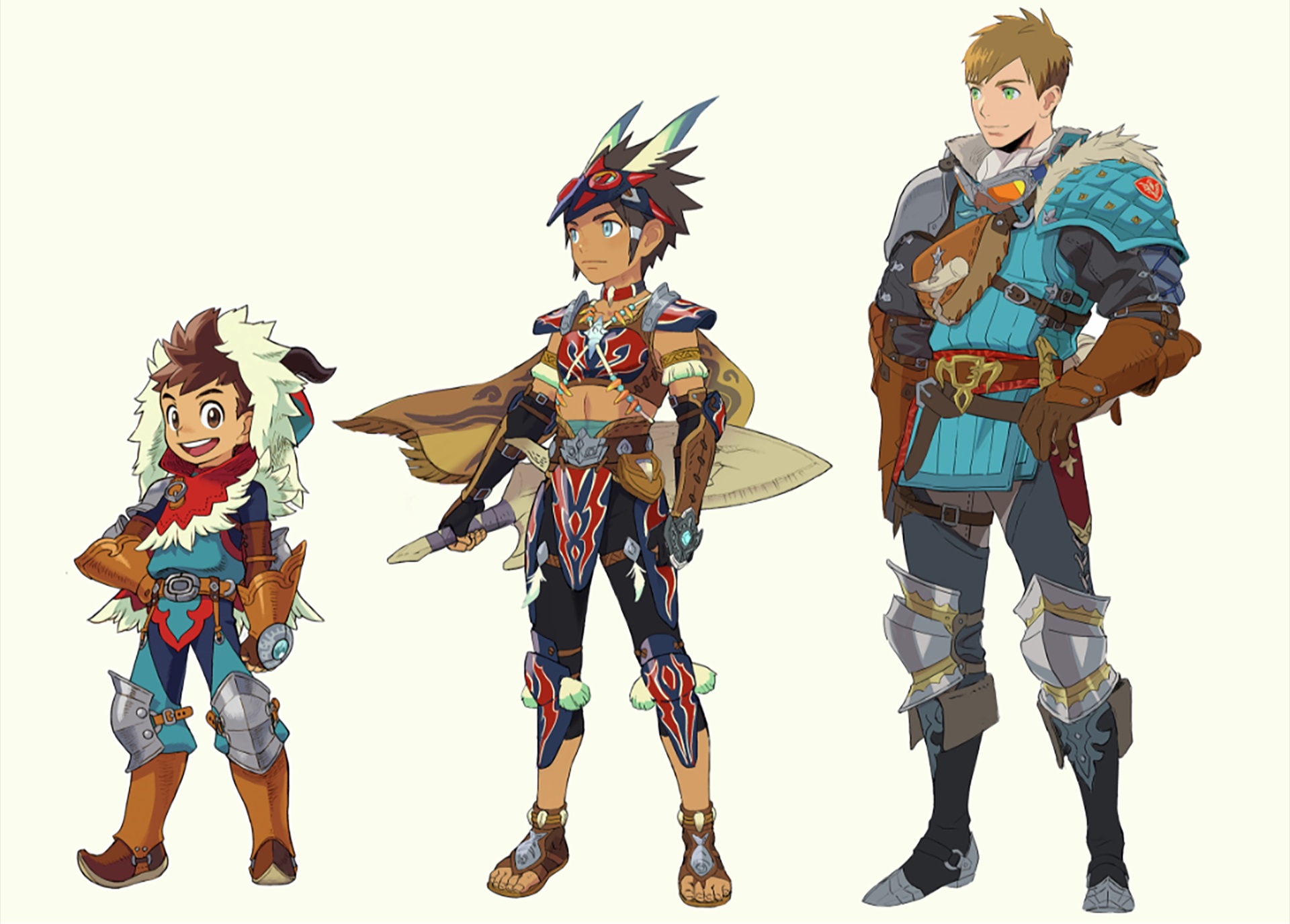
- Tan-Tan
- I see. In order to evolve the musical style, what kind of approach did you take?
- Miyata
- In Monster Hunter Stories 2, there were sections where we reused tracks from Monster Hunter Stories 1. We decided to keep the instruments, the overall sound quality, and the musical direction consistent, with both titles featuring a large number of energetic pop tracks. While for Stories 3, we tried to establish our own unique direction by minimizing the use of cute-sounding instruments, changing up the instrumentation and layering of sounds, and lowering the overall register of the music.
A common theme across the Stories series is how Riders confront threats to the environment, but with this title, we see not only threats to the environment, but also strife between nations and people, and it is this struggle that is the major conflict at the heart of the story. Given the context and this story's more serious nature, it only made sense for the musical tone to reflect this with a richer, deeper sound.
- Tan-Tan
- Ah, so you incorporated elements of the story and it's themes into the concept of the musical score!
- Miyata
- That's right. With this title being the third game in the series and being aimed at a larger audience, we decided that we wanted a major musical shift to accompany this. You could say our goal was 15% legacy and 85% evolution. However, we also thought it was important to preserve the nostalgic feel of the series, so we wove in familiar elements while giving the new tracks depth and maturity. We also understood that, given its JRPG roots, the soundtrack should still be inherently catchy, so we strived for a balance that would please both new and old fans alike.
- Tan-Tan
- Wow, it's a very ambitious undertaking to significantly evolve the musical style of a series while still retaining the identity of the games. I can't help but wonder how exactly the concept for a score is decided in the first place.
Is it the lead composer who decides the concept? - Miyata
- Yes, lead composers generally do that, but it's not like I think of it all by myself. After being assigned to a project, we will have a discussion with the director and producer in which we ask about the game's story, play style, important aspects, and so on. Then, the director gives a few keywords based on what came up in the discussion and we use those as a basis to decide the concept for the music.
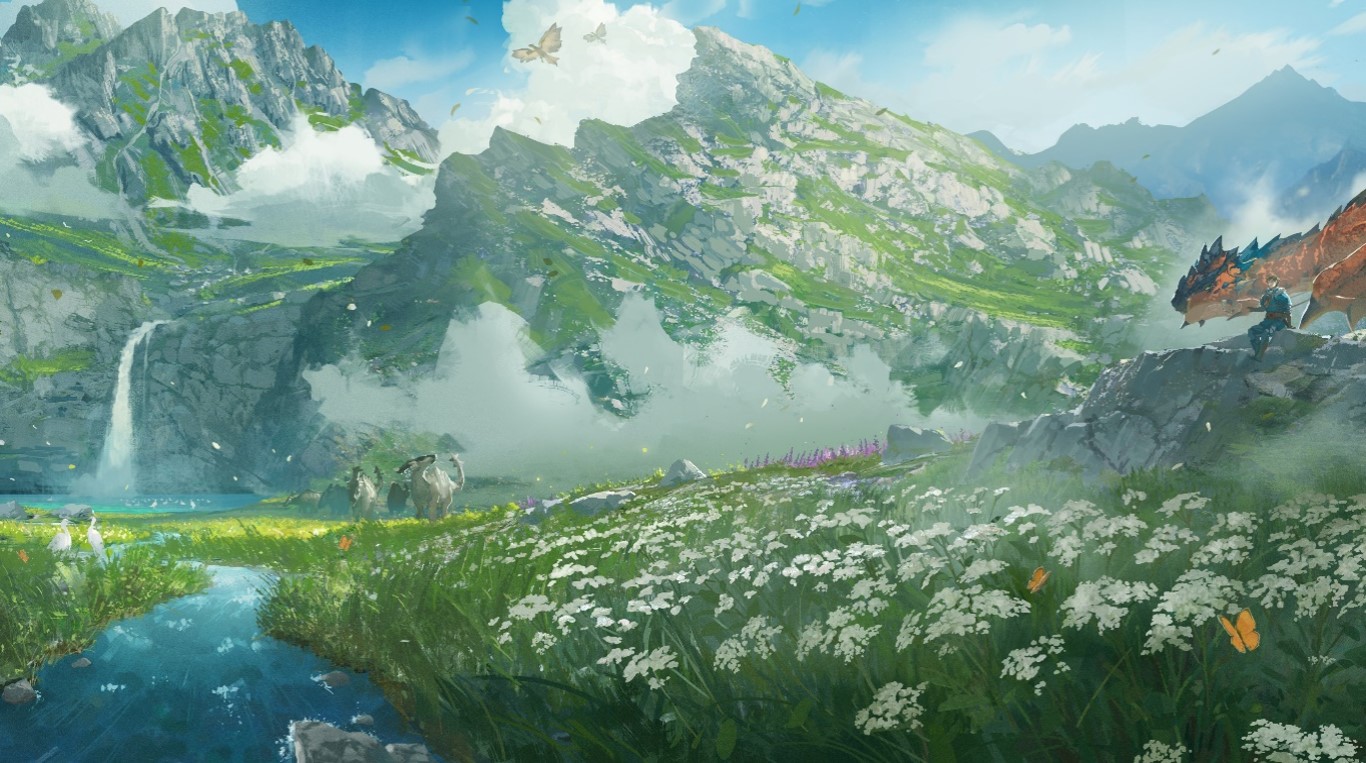
For example, in this project, I was told, "Although the story becomes more serious, I still want the music in heartwarming scenes to maintain a gentle, warm atmosphere." Therefore, when creating the demo tracks, I focused on organic and beautiful sound textures. as well as a sense of musical transparency, when I decided upon the direction for those scenes.
- Tan-Tan
- Ah, rather than focusing solely on the tracks themselves, the story and worldview also play an important part in forming the musical concept!
Main Theme
"Bonding Winds - Monster Hunter Stories 3 Version" - Concept
- Tan-Tan
- Next, let's talk about the main theme "Bonding Winds - Monster Hunter Stories 3 Version."
How exactly has the Bonding Winds theme changed from the versions used in Stories 1 & 2? - Miyata
- Some keywords that helped to define the direction for this version were:
Warmth, majesty, kindness, belief, coexistence, individual senses of justice, light and dark, and calamity.
As I said earlier, conflicts between nations and among people are important themes in this title. So, when creating this version of Bonding Winds, we preserved the vibrant feeling and charm of previous versions while also incorporating some darker tones and elements to add a sense of struggle. Adding the choral vocals made the arrangement even more dramatic and grand in scale. The arrangement for Bonding Winds - Monster Hunter Stories 3 Version was handled by Kota Yokoseki. Based on the concept plan we created, he beautifully conveyed the themes of the game.
The Unique Charm of Stories 3
- Tan-Tan
- Now, let's talk about the tracks in this game that were based on previous compositions. Multiple monsters feature their original tracks or arrangements from previous games. I'm sure fans are delighted by their inclusion, but what was the intention behind this?
- Miyata
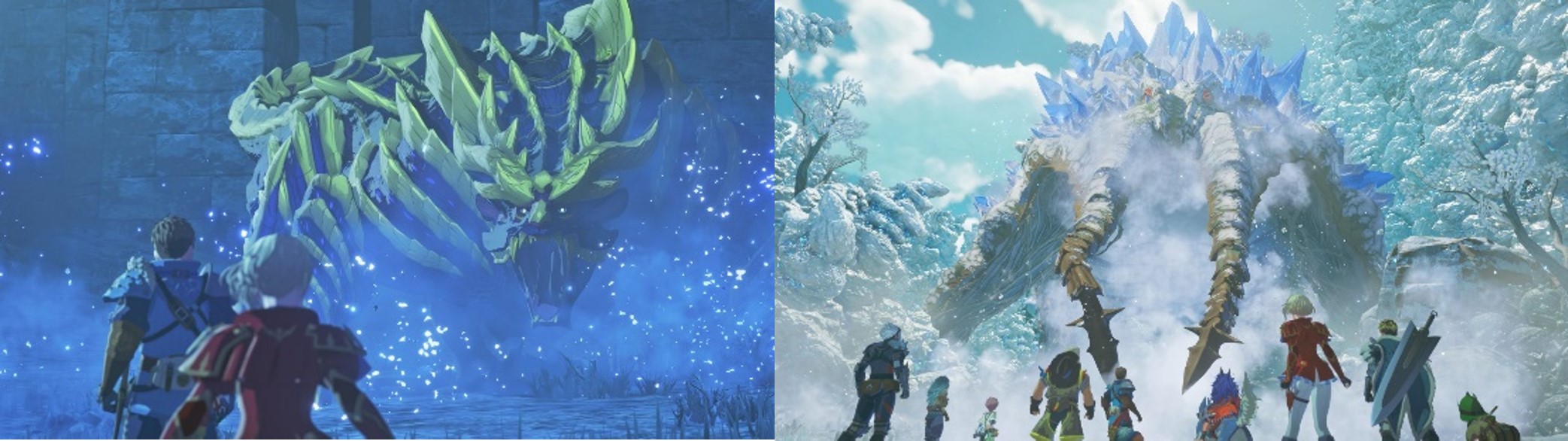
- In the previous game, Stories 2, some elder dragons, like Velkhana and Fatalis, had their own unique themes. But in this title we've gone a step further, where not only Calamitous Elder Dragons, but also enemies like Honed Glavenus and each chapter's story boss have got their own unique theme based on their original tracks.
- Miyata
- I think the fact that there are dedicated monster songs in the action-oriented Monster Hunter series and no opportunities to hear them in the Stories series had left fans a little unsatisfied. Furthermore, since each chapter's story boss has its own specially designed battle, it would feel like a waste if we didn't use their unique theme as well. Therefore, in order to naturally bring back the memories of players hunting those monsters, we carefully reconstructed the song by adjusting the overall balance and sound quality—all while respecting the charm of the original as much as possible.
Also, in addition to those from Monster Hunter Wilds, Rise: Sunbreak, and World: Iceborne, we also have monsters who originally appeared over 20 years ago in Monster Hunter 2 (Dos). I believe that featuring tracks from various Monster Hunter games across different generations is a large part of the game's charm and emotional appeal. I think fans of the series will enjoy this incredibly impressive lineup of boss battles, along with all the memories they bring!
- Tan-Tan
- With Stories 3 featuring tracks from across the series, it's bound to stir up some emotions!
As for non-story bosses, the arrangements for Honed Glavenus, Wind Serpent Ibushi, and Thunder Serpent Narwa leave quite an impression!
These tracks received quite a bit of attention when they were included on the bonus CD that came with the Nintendo DREAM magazine. Could you tell us more about them?
- Miyata
- "Honed Glavenus - Monster Hunter Stories 3 Version"
Honed Glavenus is a monster that has been specifically modified for battle. We wanted to reflect that in the music but we couldn't just use the original track as it was, so we incorporated synthesizers and louder sounds to make an arrangement that conveys a powerful sense of dread and artificial unease."Ibushi & Narwa - Monster Hunter Stories 3 Version"
The Calamitous Elder Dragons, Thunder Serpent Narwa and Wind Serpent Ibushi, originally appeared in Monster Hunter Rise, but for this title, we took a new approach towards their theme. In Rise, the battles were structured that you faced each one in stages, but for this title, you face them both simultaneously. This significantly changes the flow of battle and the player's experience. So, if we were to use the track as-is, there would be a disconnect between the song and the tension we wanted to convey in the fight.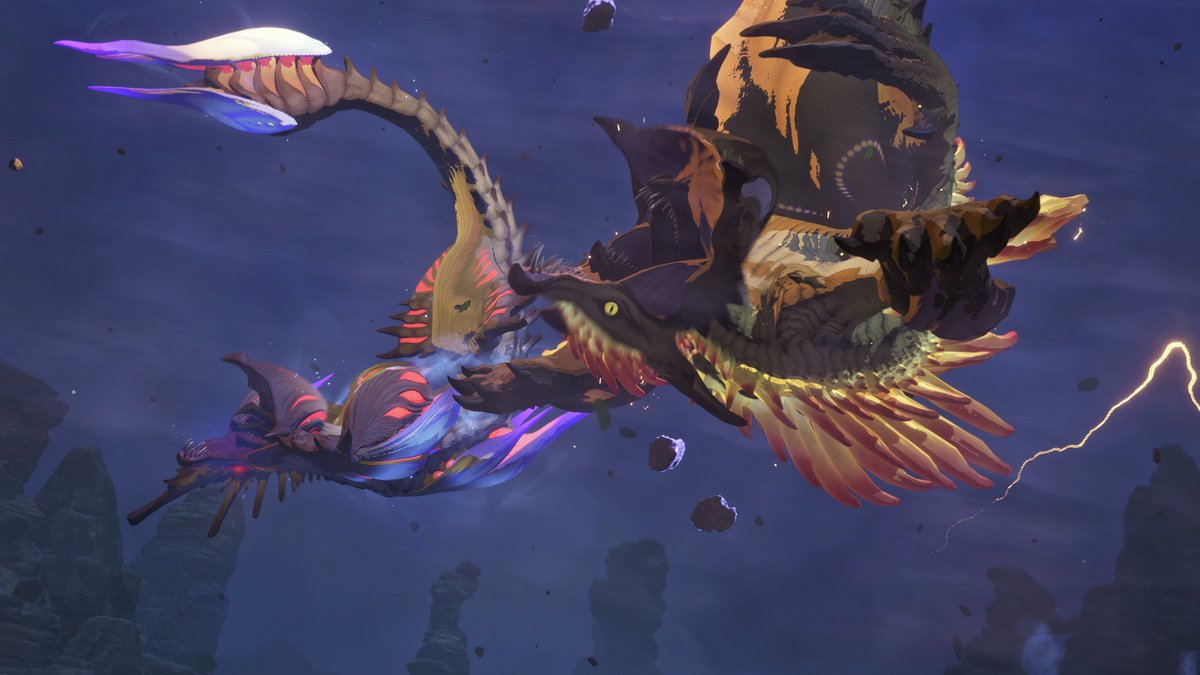
- Miyata
- This time round, we extracted key parts of each track and restructured them into one song, resulting in something that not only conveys the presence of Wind Serpent Ibushi and Thunder Serpent Narwa, but also perfectly suits the situation needed for the game.
- Tan-Tan
- So you tailored it specifically to the boss fight in this game!
About the Musical Concepts for Each Locale
- Tan-Tan
- In this game you unlock new locales as you progress through the story. I was hoping you could tell us more about how you came up with the musical concepts for each place.
- Miyata
- Sure. Before we start talking about the base themes, I think I should mention the game features a wide variety of music across different categories. Each locale features different types of music, including base music, battle music, and music used for cutscenes. But, what we keep in mind when we create these tracks is that we express the unique climate, culture, and atmosphere of that locale through the music.
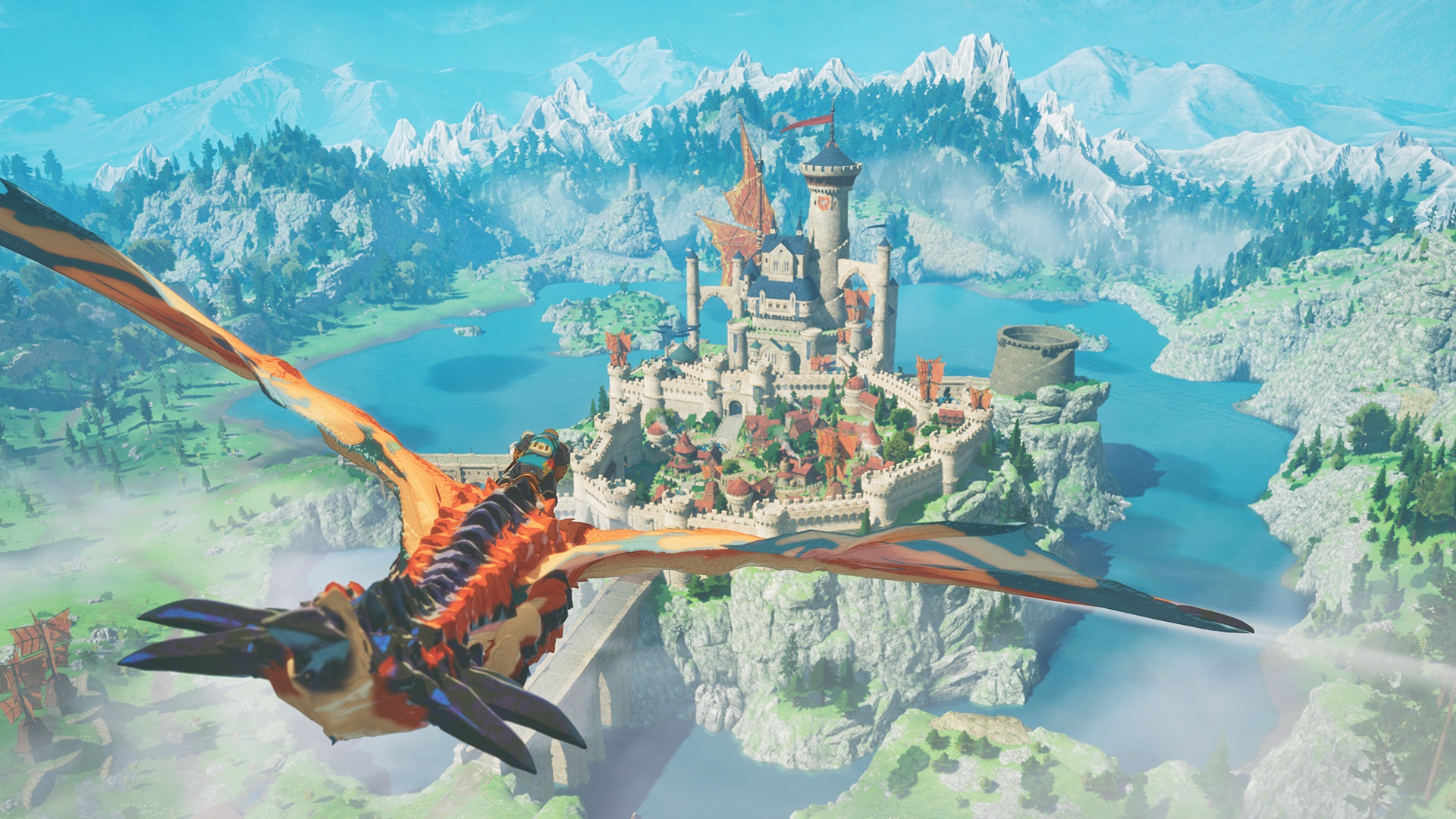
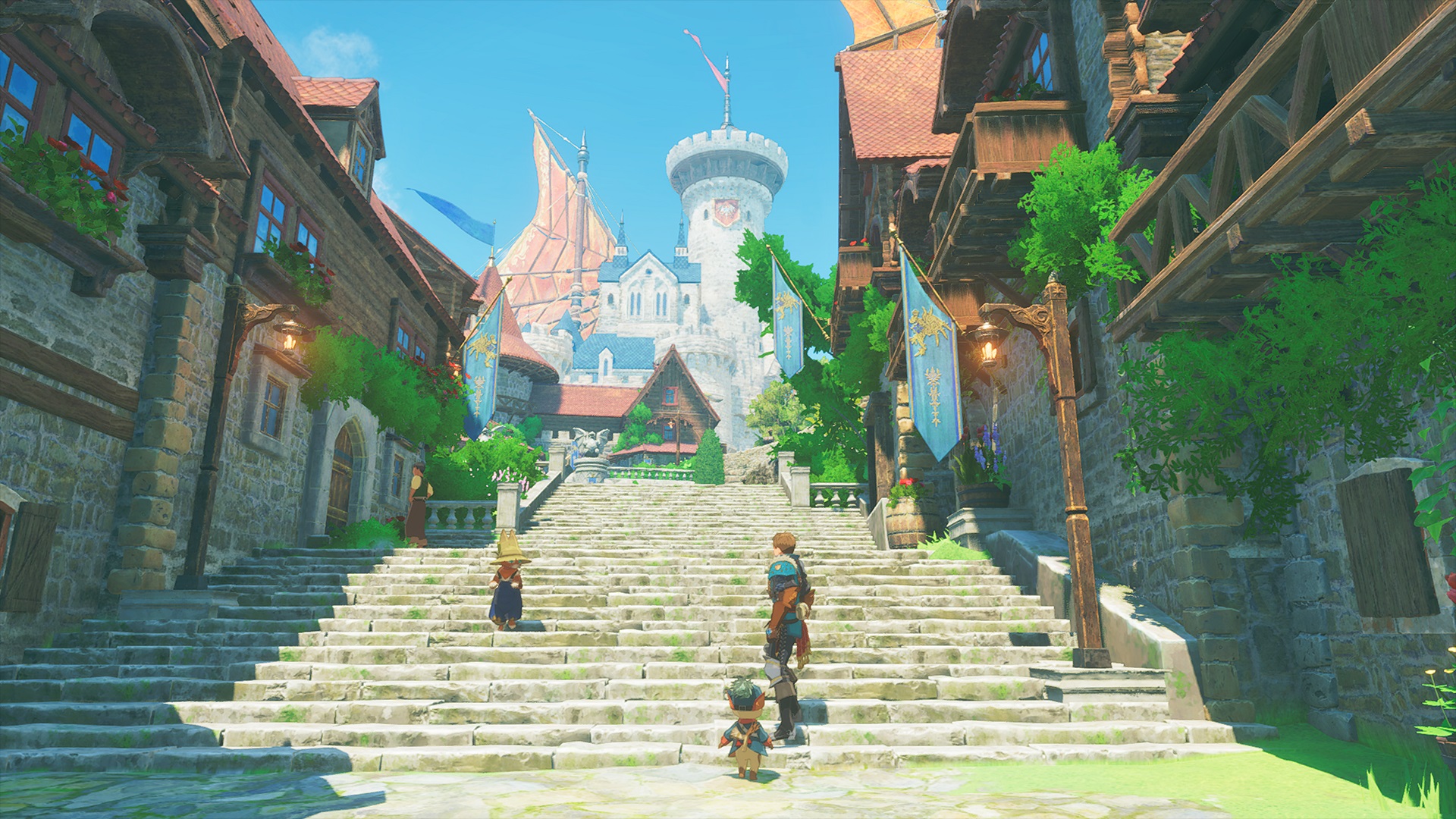
For example, as Azuria is a fertile region surrounded by plateaus and mountains, the music style has a slightly Irish flavor. We also incorporated sounds like tubular bells to convey the elegance and grandeur of Azuria. This way, we were able to reflect the unique personality of different areas through the music. Now, let's have Akihiko Narita and Kodai Ikeda talk about the music for each base.
- Narita
-
Azuria
"Towering Stronghold - Azuria"
"Gathering Storm - Azuria"Overall, the music emphasizes a calm and relaxing atmosphere. Musically, we used instruments like double bass and folk guitars, to create a peaceful sound appropriate for such a location.
Azuria is a prosperous nation blessed with both nature and urban landscapes, but as the story progresses, their conflict with Vermeil intensifies. As such, if the player were to return to Azuria towards the end of their journey and hear overly bright and cheerful music play, it would create a disconnect with the story. Therefore, we were conscious of creating a sound that not only showed the aspect of a peaceful city surrounded by nature, but also conveyed the anxieties and conflicts that lie beneath. To put it simply, rather than just being a lively base full of nature, the sound concept for Azuria was to capture the feeling that something was hidden beneath the calm exterior.
The music for Azuria also changes alongside the story. Depending on where the player is in the story Azuria may temporarily enter a state of high alert, with more soldiers being stationed there. If the player were to enter during that time, the music would change slightly from the usual peaceful melodies. We created this change so that the player would instinctively be able to recognize the tension in the air based on the music alone.
However, this change in music can only be heard at very specific story points, so not that many players will have heard this. It's a subtle detail but if you happen to visit Azuria during that time, we hope you listen out for the changes in the track.
- Ikeda
-
Sheparden
"Village of Whispers - Sheparden"
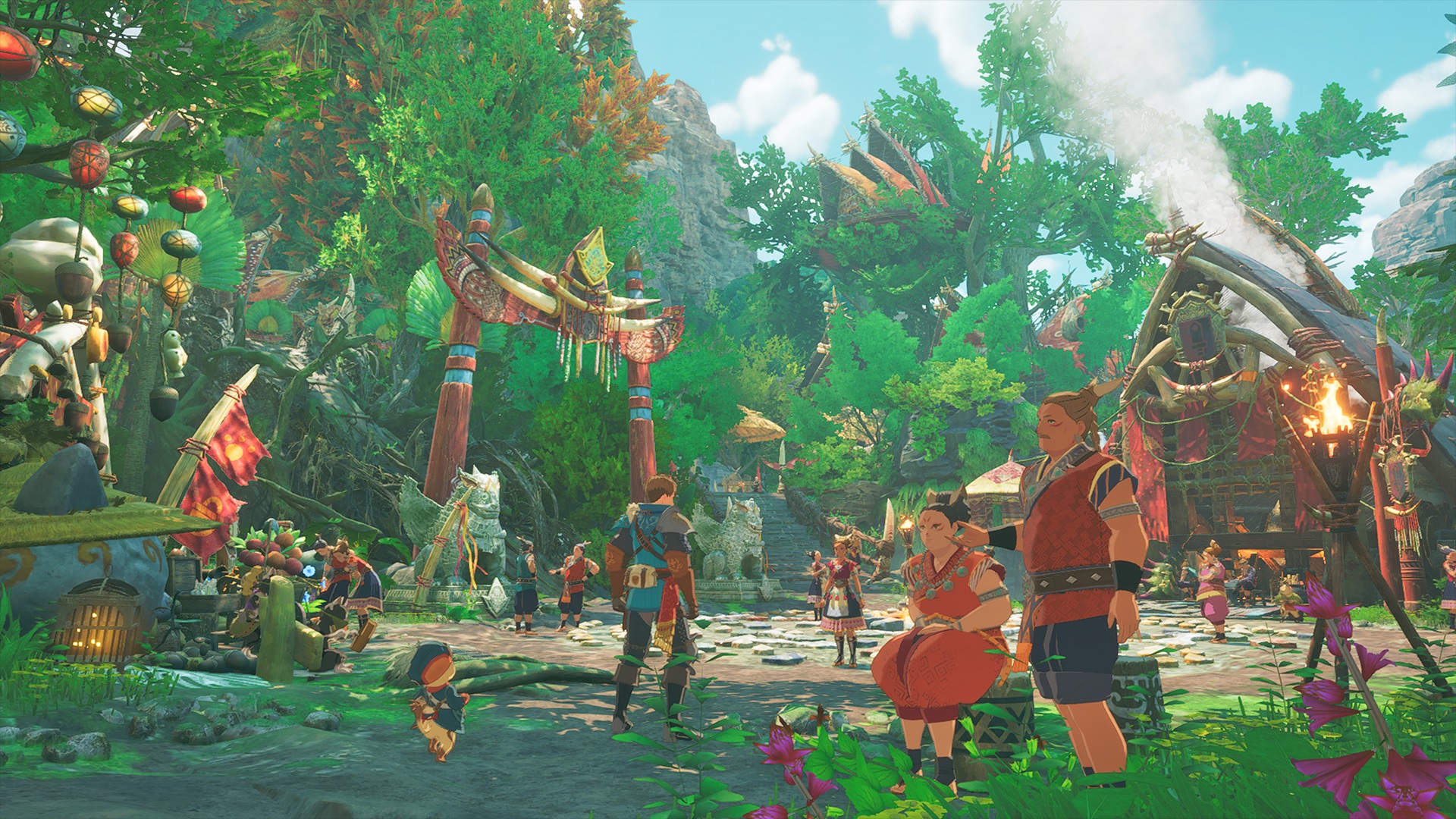
"Forest Land of Fate - Sheparden"Next, for Sheparden, we also incorporated a feature where the impression of the music changes depending on the progress in the story. In the early stages where the protagonists have yet to be accepted by the villagers, you can feel a sense of distance and caution. To create this, we deliberately subdued the melody and used fewer notes in the composition.
But, as the story progresses and they have come to be accepted as friends of the village, the score reflects that. There are more notes, and the melody can be heard more clearly, evoking a sense of belonging and warmth.
- Miyata
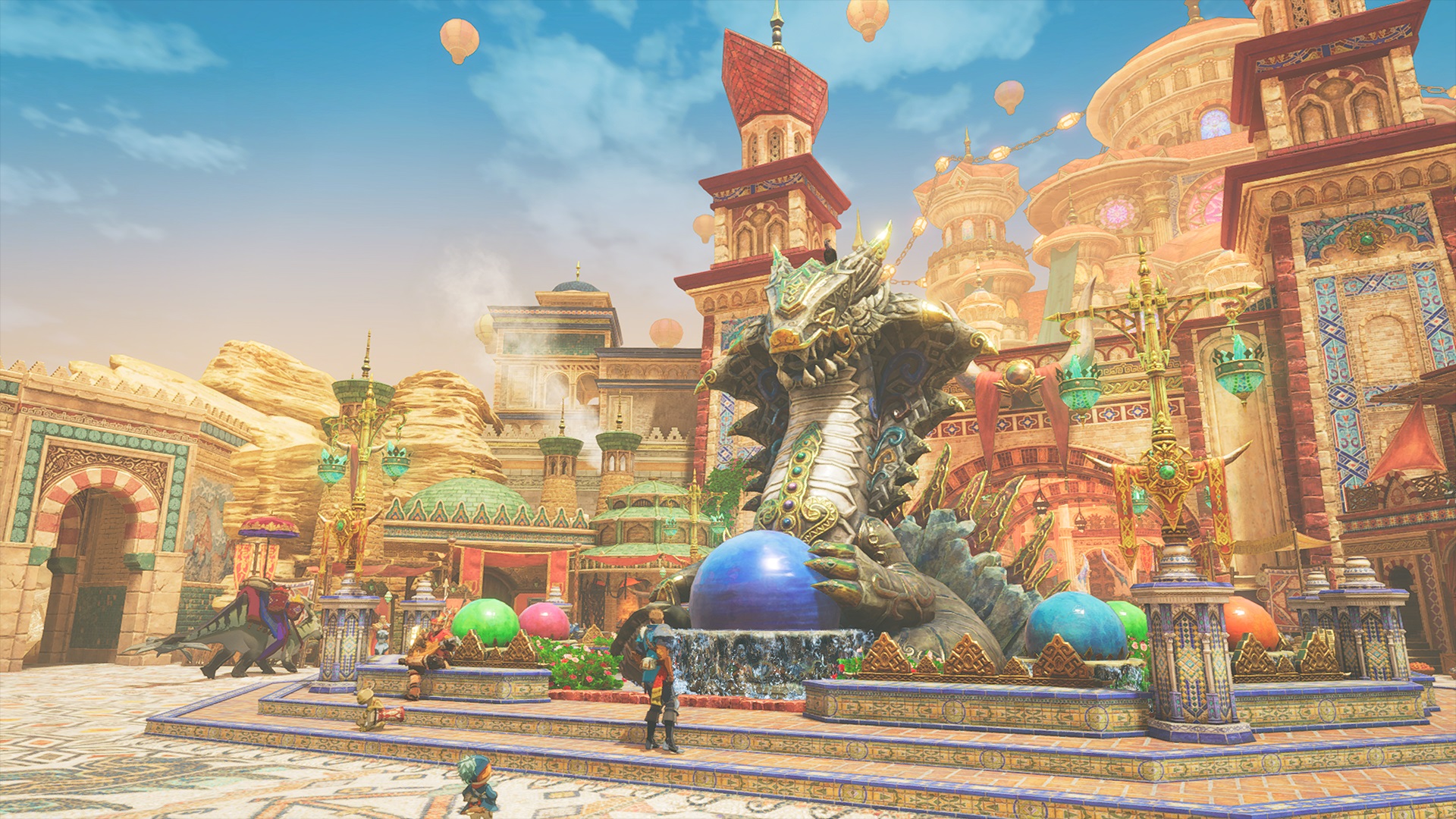
- Galyad
"City of the Crystal Trade - Galyad"For Galyad, a number of folk instruments were used to portray the roughness and unique character of the region. The song starts off with an energetic opening and overall it's a vibrant, lively piece. However, as Galyad features a mix of affluent and disadvantaged districts, we incorporated some sections where the number of notes were kept to a minimum. As a result, the song has a dynamic quality, capturing the various aspects of the city in a single track.
- Tan-Tan
- The musical identity of each base is remarkably captivating, and I had no idea the music changed to reflect the story progression! Amazing!
- Miyata
- Let's move on to the battle themes.
Large/Small Battles
For battle themes, each locale has small-scale battles, large-scale battles, and invasive battles. While the tracks used for small-scale battles and large-scale battles are different, they were designed to feel like one part of a whole as battle themes within the same region.The methods vary from song to song, such as using common musical motifs, incorporating similar tones and riffs, and so on, but the aim is for players to intuitively recognize the distinct personality of that region.
For small-scale battles, we created a relatively upbeat sound for a sense of tension, without dampening the thrill of the adventure. But for large-scale battles, the atmosphere is decidedly more serious when going up against a formidable monster, so by creating a heavy and impactful arrangement, we were able to distinguish them from the small-scale battles quite clearly.
- Tan-Tan
- The personality of each region really shines in the battle themes, and the music kept me on the edge of my seat!
Feral/Invasive/Battle-Bound Monster Battles
- Tan-Tan
- Now, let's hear more about the battle themes for feral, invasive, and battle-bound monsters.
- Ikeda
- Feral Monsters
"Feral Monsters - A Shudder in the Air"
"Feral Monster - Fury Unleashed"
Feral monsters, affected by the Blightstone covering their bodies, have a noticeably different appearance from other monsters. In fights with feral monsters, there's a unique game system where directly attacking the parts affected by Blightstone will result in a counterattack. Drawing inspiration from this concept of attacks eliciting a response,we decided on using the term "reverse" as the theme for these tracks.
Furthermore, we heavily feature the piano as a sound to symbolize Blightstone. Even in tracks not related to feral monsters, piano sounds are consistently used in scenes related to Blightstone. Musically, the tracks are centered around the use of synthesizers and reversed audio effects to effectively convey the counter-attack nature of these monsters.
As a subtle detail, the reversed audio effects are positioned in such a way that they move from back to front when played in a stereo or surround sound environment. This allows the player to experience three-dimensional sounds that they wouldn't hear in any other track. Also, we've prepared two different versions of the feral monster battle theme, one that plays against small monsters, and one that plays against large monsters. The large monster arrangement emphasizes bass tones and gives a sense of weight and power.
- Tan-Tan
- How intriguing!
So rather than simply creating an eerie atmosphere, the music also incorporates gameplay elements like counterattacks.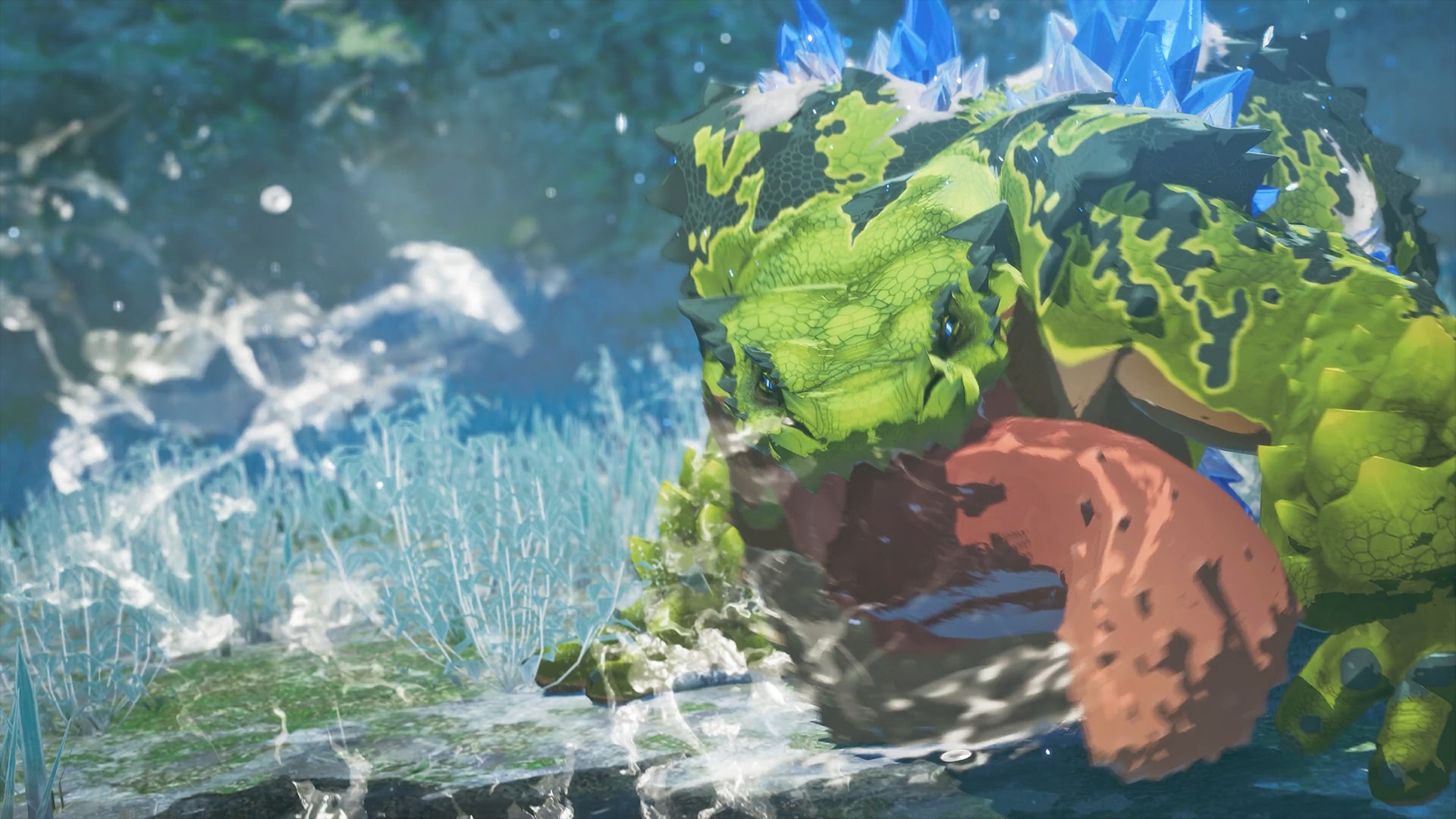
- Miyata
- Invasive Monsters
"Wind Howls Through a Fault"
"Floors of the Timberland Groan"
"Interloper Burns into the Bountiful Dunes"
"Judgement Awaits Beyond the Ice Wall"
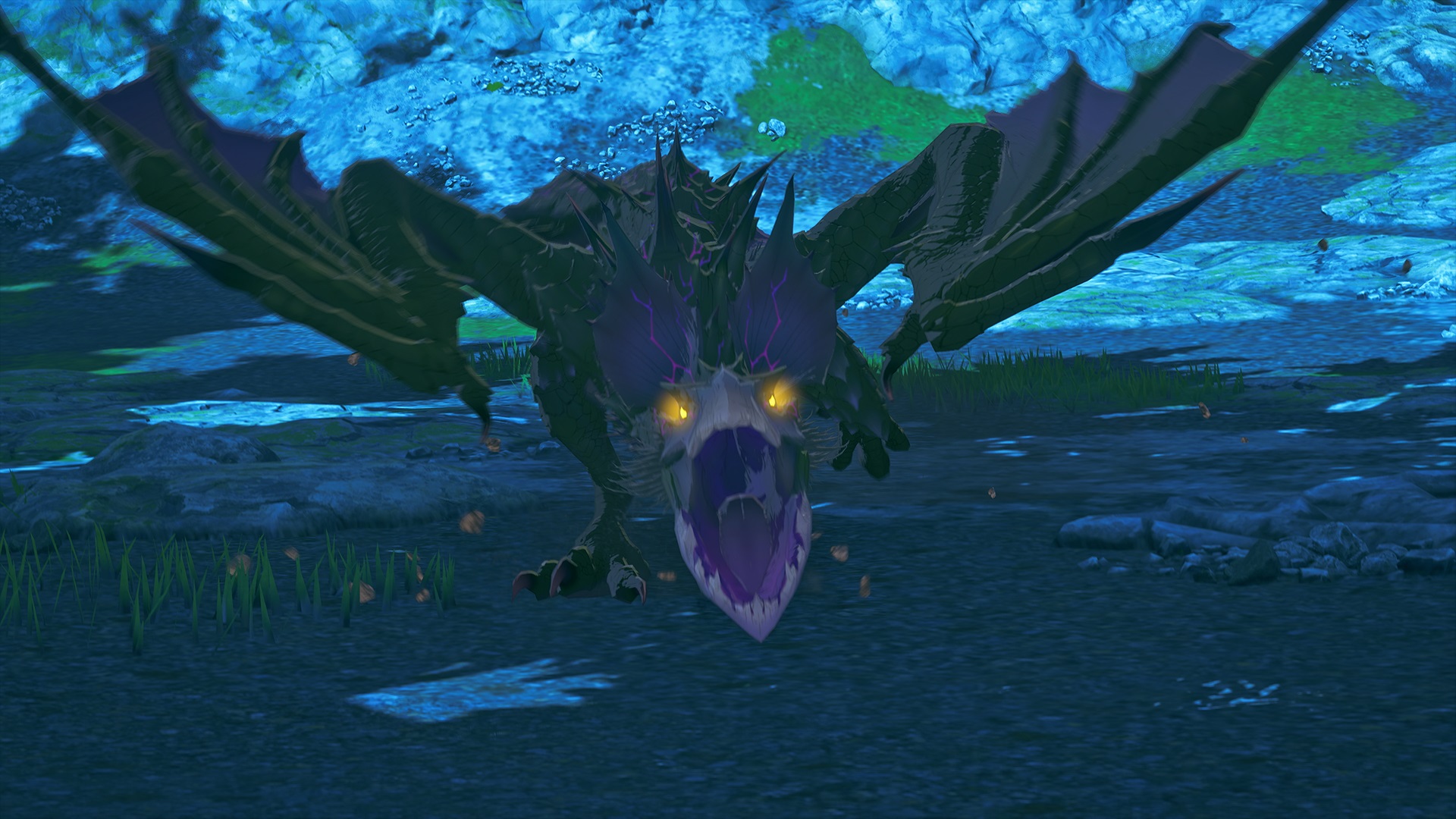
For invasive monsters, while we did prepare unique tracks for each area, we also decided to incorporate synth sounds into all of the songs as a common element.
- Miyata
-
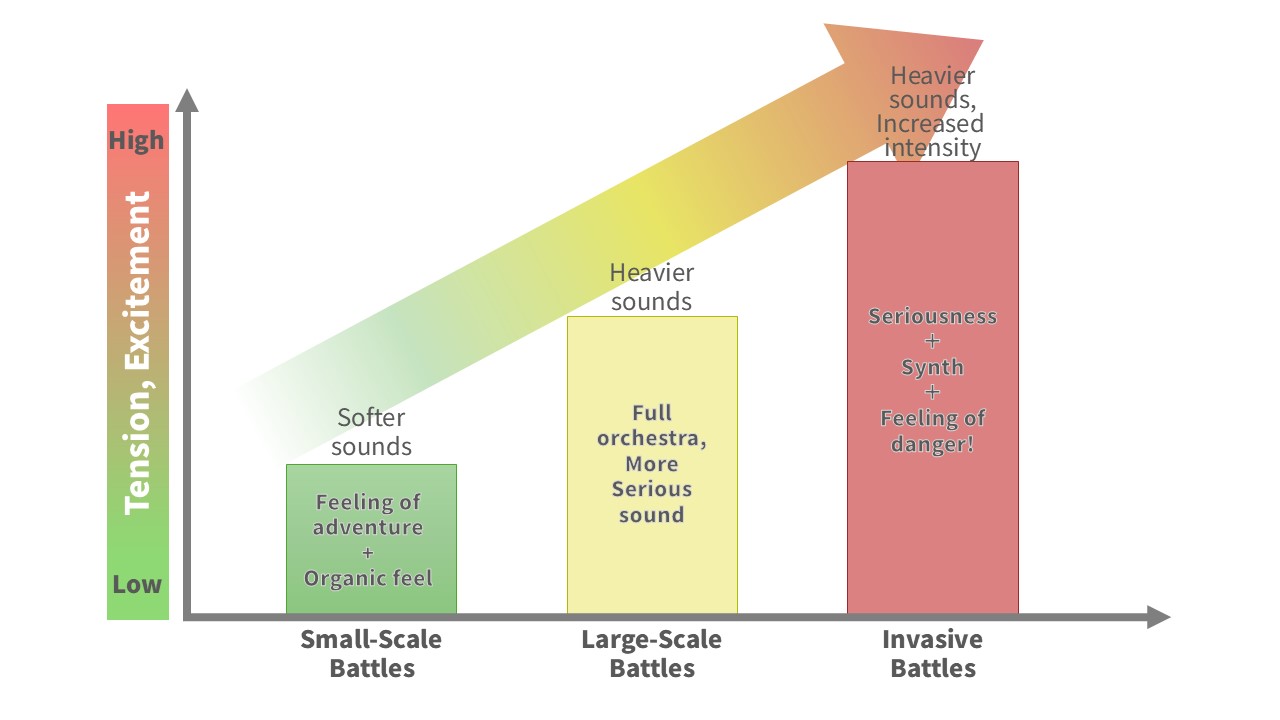
While still based in orchestral sounds, adding synth helped to create a unique atmosphere. By actively incorporating electric elements into the rhythm, we were able to give them a different feeling from normal battle tracks. In addition, the intensity of the music was designed to gradually increase, from small-scale battles, to large-scale battles, and then to invasive monster battles.
In particular, the invasive monster battle themes have been arranged to create a stronger sense of tension and urgency than normal battles, musically expressing that the player is going up against a formidable opponent.
- Miyata
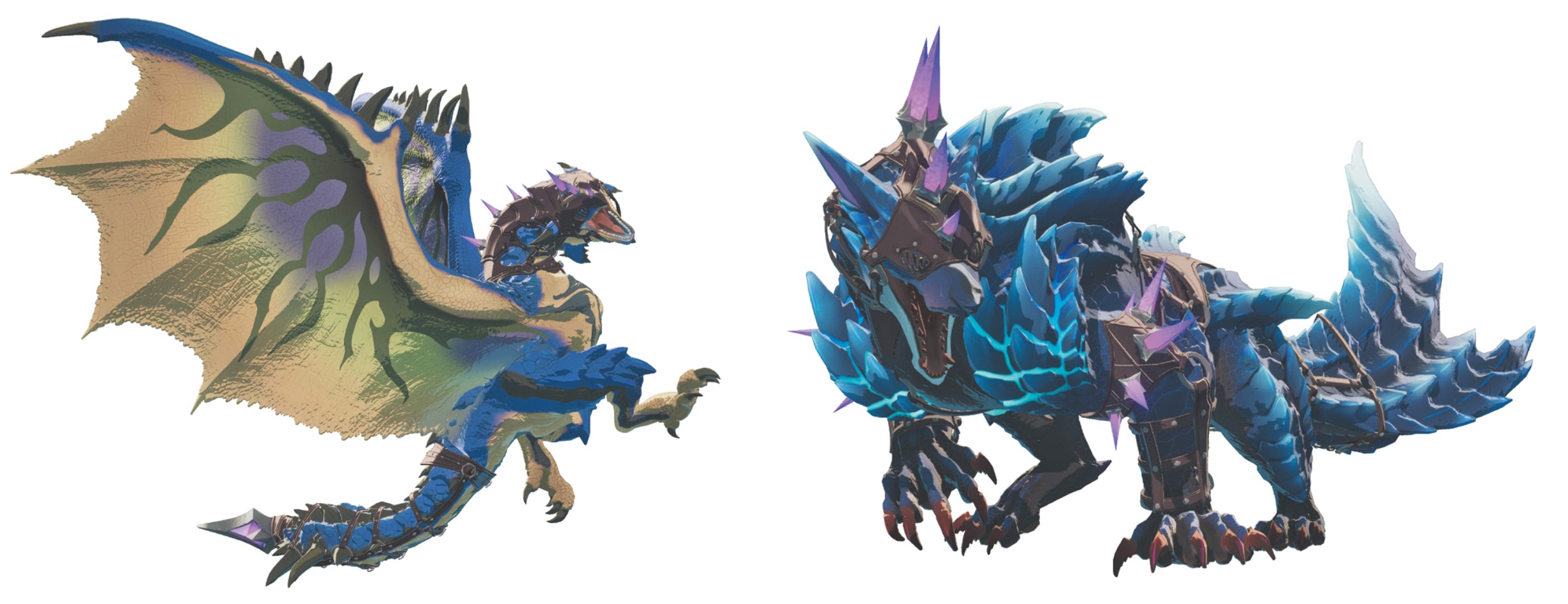
- Battle-Bound Monsters
"Battle-Bound Monster - Twisted Shadows"
Let's talk about the music for battle-bound monsters. Battle-bound monsters are weapons, so to speak, first created by human hands 200 years ago during times of war.
A key focus when creating these tracks was to differentiate them from normal monsters who haven't gone through the battle-binding process. To express their different nature from a musical standpoint, we used elements like synth sounds, orchestral clusters and noise—even more so than in invasive and feral monster themes. Combining all those elements helped to create a unique sound which emphasized the unsettling and unnatural nature of battle-bound monsters.
The battle experience itself differs from the usual gameplay and is designed to create intense, high-stakes scenes filled with constant tension. For this reason, the music was arranged to emphasize the danger and urgency of the battle. I believe this song stands out as one of the most memorable tracks in the game.
- Tan-Tan
- Understanding how and why each song was made, in addition to hearing it in the game, really does change how you experience the battles, doesn't it?
Thank you Yuko Miyata, Akihiko Narita, and Kodai Ikeda! We gained such a fascinating insight into the music of the game!
We'll be releasing the second part of the interview soon, where we'll talk about character themes, cutscene tracks, and the ending theme. So stay tuned!
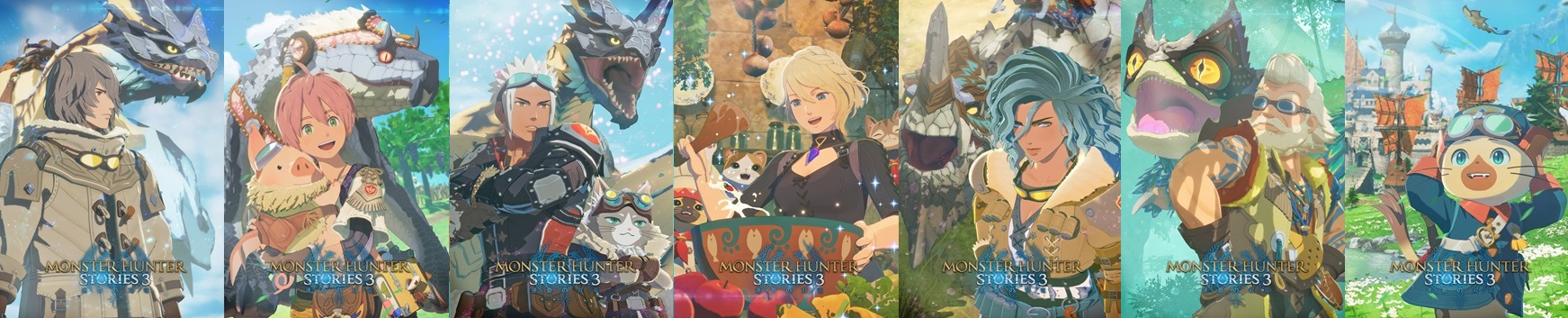
Check out this video showcasing our favorite tracks:
Monster Hunter Stories 3: Twisted Reflection - Music Selection
https://youtu.be/-UWGhmAqPsA
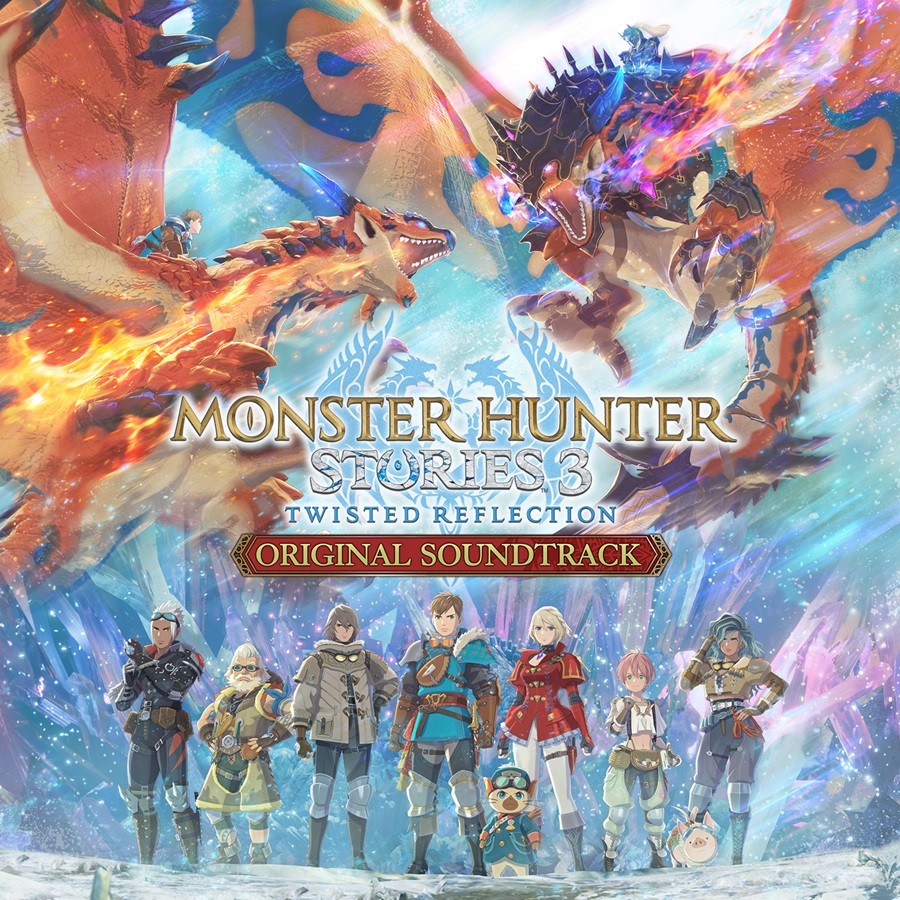
Monster Hunter Stories 3: Twisted Reflection
Original Soundtrack
 ↓↓↓
↓↓↓
▶Major Streaming Platforms
▶Also on Apple Music and iTunes Store!
Monster Hunter Stories 3: Twisted Reflection - Official Site
https://www.monsterhunter.com/stories3/en-us/
Monster Hunter Stories 3: Twisted Reflection
Demo version available now!
https://www.monsterhunter.com/stories3/en-us/trial/
The Monster Hunter Stories 3: Twisted Reflection original soundtrack is now available on streaming platforms! Check it out!